

Inquiry Now
The World’s First 50,000-ton Biocatalytic rPET Factory in Sino-French Partnership
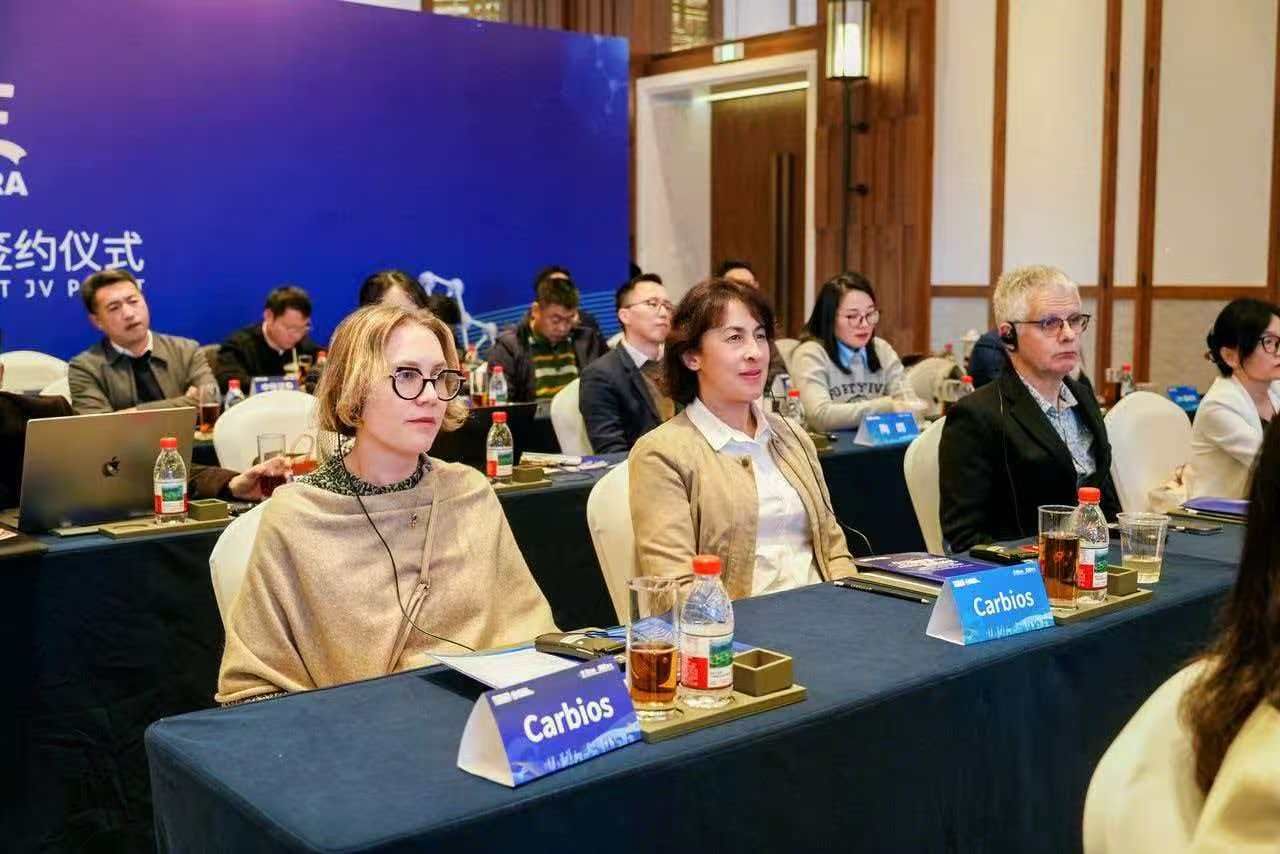
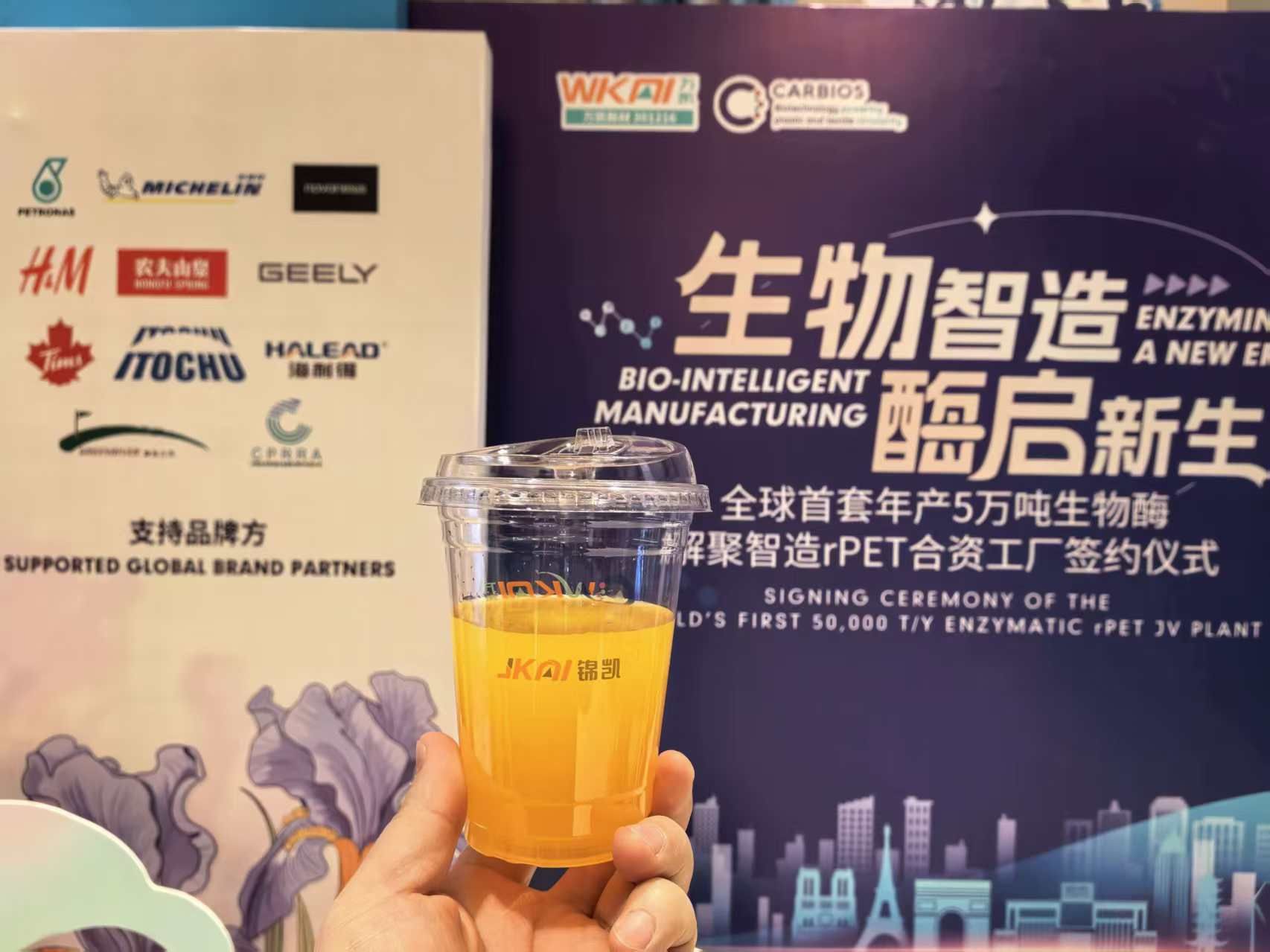
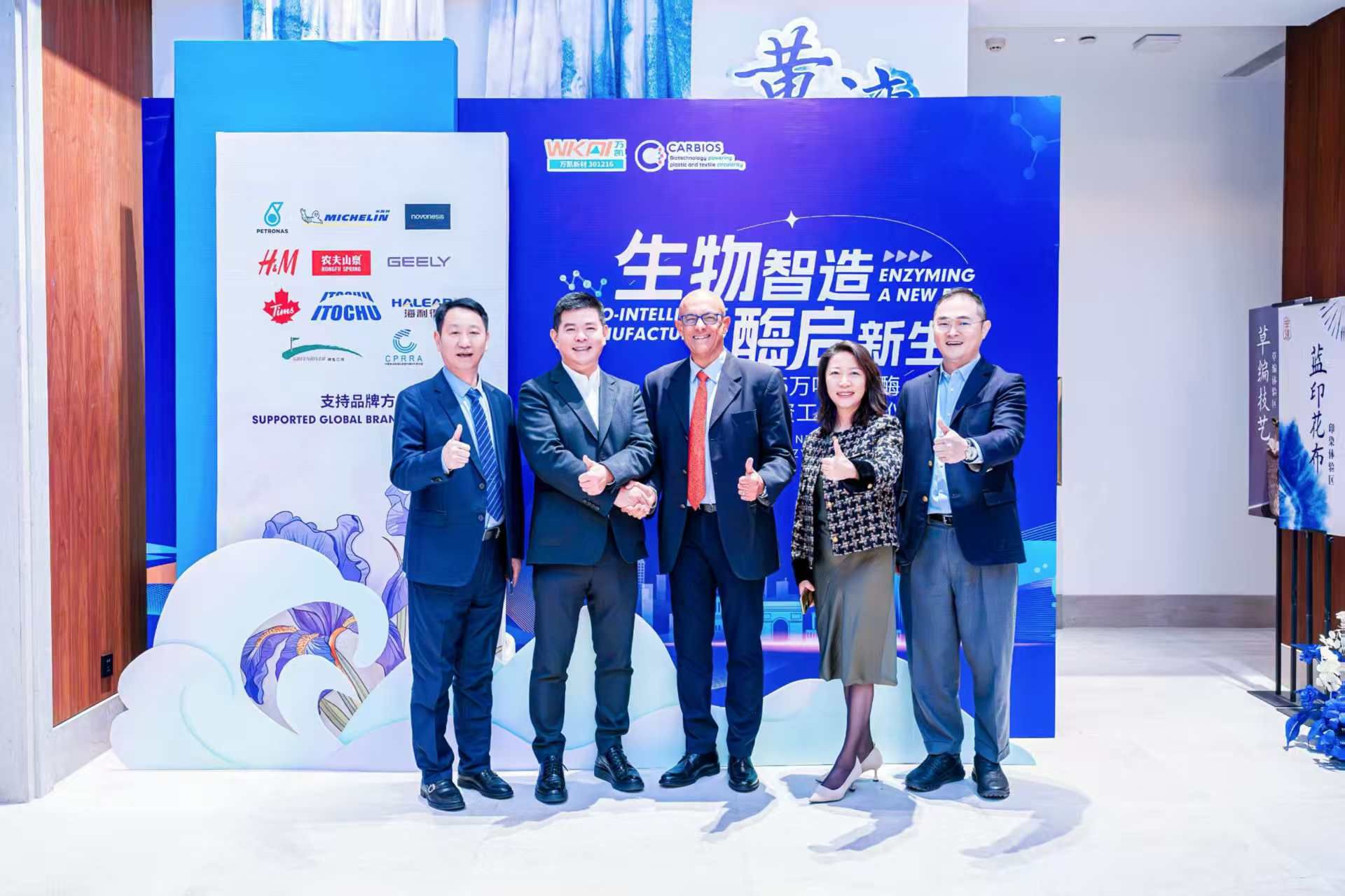
On December 3, 2025, Wan Kai New Materials and France's CARBIOS signed a groundbreaking partnership in Haining, Zhejiang, to build the world’s first 50,000-ton biocatalytic rPET (recycled polyethylene terephthalate) production facility. This collaboration marks a significant milestone in the industrial application of biocatalytic PET depolymerization technology and promises to shape the future of circular economy initiatives across the globe.
A Revolutionary Step in PET Recycling Technology
The collaboration between Wan Kai New Materials and CARBIOS represents the first large-scale application of biocatalytic PET depolymerization technology in Asia. It is also one of the most significant enzyme-based recycling projects globally. The signing ceremony, held at the Hangzhou Bay Resort Hotel, was attended by key stakeholders, including local government officials, global industry leaders, and representatives from major brands such as L’Oréal, Michelin, and H&M.
CARBIOS, one of France's most innovative materials technology companies, has developed a biocatalytic PET depolymerization process that is poised to revolutionize the plastic recycling industry. This technology uses specialized enzymes to break down PET waste into its high-purity monomers—terephthalic acid and ethylene glycol—under mild conditions. This breakthrough allows for the recycling of PET plastic waste into food-grade rPET materials, closing the loop of plastic waste to high-quality recycled products.
The biocatalytic process has garnered significant global attention, with the U.S. FDA granting CARBIOS official approval for the use of its rPET products in food packaging. The approval not only demonstrates the reliability of CARBIOS’ technology but also sets a precedent for using recycled plastics in high-end applications, including the food and beverage industry. Furthermore, CARBIOS has secured long-term commercial agreements with major global brands such as L'Oréal and L'Occitane en Provence, which will purchase rPET for their products.
Wan Kai New Materials: Engineering the Future of Recycling in China
Wan Kai New Materials has deep roots in the polyester industry and a robust technological foundation in polymer engineering. With decades of experience and expertise, Wan Kai is well-positioned to handle the engineering, construction, and operation of the new facility. As a leading player in the polyester sector, Wan Kai has developed a dual-industry chain model that integrates the textile and polyester bottle chip industries, providing a solid foundation for the collaboration with CARBIOS.
Wan Kai’s role in this joint venture will include overseeing the project’s engineering design, installation, and future operation management. Leveraging its strong supply chain and manufacturing capabilities, Wan Kai aims to transform CARBIOS’ groundbreaking scientific innovation into a reliable, efficient, and scalable industrial process. This project is expected to yield high-purity, low-carbon rPET materials that meet the quality standards of industries such as beauty, beverage, sports, and fashion.
Biocatalytic Technology: A Game-Changer for the Global Recycling Industry
The biocatalytic PET depolymerization technology developed by CARBIOS is considered a “game-changing” breakthrough in the plastic recycling field. The process uses engineered enzymes to break down PET waste into its original monomers, making it possible to recycle plastic indefinitely without loss of quality. This innovative approach significantly improves the efficiency of plastic recycling and addresses the challenge of plastic waste that is typically difficult to recycle using traditional mechanical methods.
This enzymatic process holds significant promise not only for the food-grade packaging industry but also for other sectors that rely on high-quality recycled materials, such as automotive and textile manufacturing. For example, Michelin and Indorama Ventures have entered into agreements with CARBIOS to use its biocatalytic PET monomers to produce sustainable fibers and tire fabrics.
In addition to its potential in industrial applications, CARBIOS’ technology is also gaining recognition from policymakers and industry leaders. French President Emmanuel Macron has publicly endorsed CARBIOS’ biocatalytic technology, describing it as a crucial step in converting plastic waste into a renewable resource. The technology is seen as a key component of France’s “France 2030” national strategy, which aims to boost sustainability and innovation in the country’s industrial sector.
Looking Ahead: From 50,000 Tons to a Global Industrial Cluster
While the establishment of the 50,000-ton facility in Haining is a significant achievement, it is only the beginning of a larger vision. Wan Kai and CARBIOS have set their sights on scaling up production, with plans to expand the plant's capacity to 300,000 tons and ultimately 500,000 tons over the next three to five years. This ambitious expansion will position China as a leader in the next generation of circular materials and enable the development of a million-ton industrial cluster dedicated to biocatalytic recycling.
The market demand for high-quality rPET remains high, as leading global brands accelerate their sustainability efforts. This partnership will help address the ongoing supply shortage of rPET and create a more sustainable and competitive global supply chain for recycled materials. Wan Kai and CARBIOS are poised to build a strong global presence, helping China to establish core competitiveness and pricing power in the global rPET market.
Government Support: A Green Future for China’s Circular Economy
The local government in Haining, Zhejiang, has pledged its full support for this project, viewing it as an opportunity to integrate innovation, industry, and sustainability in the region. The Haining Economic Development Zone Party Committee Secretary, Mi Zhoudan, emphasized the importance of the collaboration between Wan Kai and CARBIOS, which aligns with China’s goals for carbon neutrality and the development of a circular economy.
Haining’s municipal leaders also expressed their commitment to providing seamless services to ensure the project’s smooth construction and timely completion. This partnership reflects China's growing focus on advancing green technologies and building a sustainable industrial ecosystem.
Conclusion: The Future of Biocatalytic PET Recycling
The joint venture between Wan Kai New Materials and CARBIOS marks a pivotal moment in the global shift toward sustainable plastic recycling. With the groundbreaking biocatalytic PET depolymerization technology, this partnership has the potential to redefine how plastic waste is processed and recycled on a global scale. As China becomes a leader in the next generation of circular materials, this collaboration will help shape the future of the plastics recycling industry, driving innovation, sustainability, and economic growth.
Through their collective expertise, Wan Kai and CARBIOS are not only helping to tackle the global plastic waste crisis but also paving the way for a new era of sustainable, high-quality recycled materials that can be used across multiple industries. This innovative project is a testament to the power of international collaboration and the importance of green technologies in building a sustainable future.